Cost Analysis Guide for Pipeline Construction Services Projects
Wiki Article
Exploring the current Advancements in Pipeline Construction Solutions for Modern Projects
The Pipeline Construction market is undergoing substantial adjustments. Advancements such as wise materials and robotics are improving typical methods. These developments promise to boost effectiveness and safety. Additionally, AI technologies are boosting job administration capabilities. As these components assemble, they raise inquiries regarding their long-term influence on sustainability and cost. Recognizing these advancements is important for stakeholders looking to browse this developing landscape. What effects do they hold for future jobs?The Surge of Smart Materials in Pipeline Construction
As the need for much more reliable and sustainable Pipeline systems raises, the combination of clever materials has actually become a transformative remedy in Pipeline Construction. These advanced materials have distinct homes that boost the performance and long life of pipelines. For circumstances, self-healing polymers can instantly repair minor leakages, substantially lowering upkeep expenses and downtime. Furthermore, products installed with sensors can keep an eye on structural integrity and ecological problems, enabling for real-time information collection and analysis.Smart products are corrosion-resistant and commonly lightweight, which not only simplifies setup yet also extends the life expectancy of the systems. Their flexibility enables pipelines to stand up to extreme ecological problems, advertising safety and security and reliability. As industries increasingly prioritize sustainability, making use of green wise materials contributes to decreased environmental influence. In general, the increase of smart materials marks a significant shift in Pipeline Construction, leading the way for ingenious remedies to satisfy modern framework demands.
Advancements in Robotics for Installation and Upkeep
The assimilation of clever materials in Pipeline Construction is enhanced by improvements in robotics, which are transforming installation and upkeep processes. Robot innovations, such as automated welding systems and drones, enhance effectiveness and precision, lowering human error and decreasing safety threats. These robots can run in difficult settings, ensuring that installations are performed in dangerous or remote locations without putting employees at risk.Robot copyrightination tools geared up with innovative sensing units provide real-time data on Pipeline stability, enabling for aggressive upkeep. They can discover leakages or architectural weak points, making it possible for timely interventions that prolong the life expectancy of Pipeline systems. Using robotics not just accelerates the Construction timeline but additionally maximizes resource appropriation, causing cost savings. As these technologies remain to evolve, they are readied to play an essential role in forming the future of Pipeline Construction, guaranteeing dependability and sustainability in facilities advancement.
AI-Driven Project Management Tools Changing Workflow
AI-driven project monitoring devices are improving workflows in Pipeline Construction by improving decision-making processes with improved accessibility to real-time information analytics. These tools enable teams to respond swiftly to project developments, thus raising performance. Additionally, structured interaction networks foster collaboration amongst stakeholders, further enhancing project results.Enhanced Decision-Making Processes

Real-Time Information Analytics
Utilizing real-time information analytics, modern-day task monitoring devices change operations in Pipeline Construction. These advanced tools leverage fabricated intelligence to offer immediate understandings into job performance, source appropriation, and prospective risks. By continuously checking vital performance indicators, teams can promptly adjust to altering problems, maximizing labor and products use. The assimilation of real-time information enables even more educated decision-making, minimizing hold-ups and lessening prices. Additionally, predictive analytics can determine patterns and forecast difficulties before they escalate, enhancing total task performance. Consequently, Pipeline Construction firms that take on these AI-driven devices can enhance task timelines and end results, ensuring they remain affordable in an increasingly intricate sector landscape. This advancement marks a significant change towards data-centric administration practices.Structured Communication Channels
Reliable communication is paramount in Pipeline Construction, where countless stakeholders need to work together seamlessly to assure task success. The intro of AI-driven task monitoring devices has actually transformed communication channels within the sector. These devices facilitate real-time information sharing, allowing teams to access updates, share files, and track progression efficiently. By automating routine jobs and offering a centralized system for communication, these innovations remove misunderstandings and reduce hold-ups. Enhanced presence into task timelines and resource allotment cultivates liability amongst staff member. In addition, AI analytics can determine potential communication spaces, guaranteeing positive analytical. Ultimately, streamlined communication networks not just improve process but additionally elevate general project performance, making it possible for Pipeline Construction firms to meet modern demands successfully.Enhanced Security Protocols Through Modern Technology Combination
The assimilation of modern technology in Pipeline Construction has actually caused improved security protocols. Real-time tracking systems, wearable security gadgets, and automated threat evaluations are now crucial components in decreasing risks on work sites. These advancements not you can try here only enhance worker safety yet additionally enhance conformity with sector regulations.Real-Time Monitoring Solutions
How can real-time monitoring systems change Pipeline Construction security protocols? By integrating innovative modern technology, these systems give constant security of Construction tasks, making sure immediate discovery of potential threats. Cameras and sensing units can monitor ecological problems, equipment performance, and workforce activities, supplying critical information in genuine time. This positive technique allows task managers to identify threats before they rise, greatly boosting security measures on-site. In enhancement, real-time tracking facilitates conformity with regulative requirements, ensuring that security requirements are satisfied consistently. The capability to analyze information instantaneously sustains informed decision-making, allowing prompt interventions. As an outcome, Pipeline Construction jobs can run much more efficiently while protecting the health of workers and minimizing mishaps, therefore transforming the sector's safety landscape.Wearable Safety And Security Tools
Regularly, wearable safety devices are being incorporated into Pipeline Construction to enhance safety and security procedures. These innovative devices, consisting of clever headgears, vests, and wristbands, are designed to keep an eye on employee wellness and ecological conditions in real-time. Furnished with sensing units, these gadgets can identify risks such as poisonous gas direct exposure, too much warm, or high sound levels, giving instant notifies to supervisors and employees. In addition, wearable innovation frequently includes GPS tracking features, enabling efficient location monitoring of personnel on-site. This capability not only help in fast response during emergencies but also enhances overall task management. By prioritizing employee safety and security via technology assimilation, Pipeline Construction firms are making substantial strides in lowering crashes and advertising a culture of safety within the industry.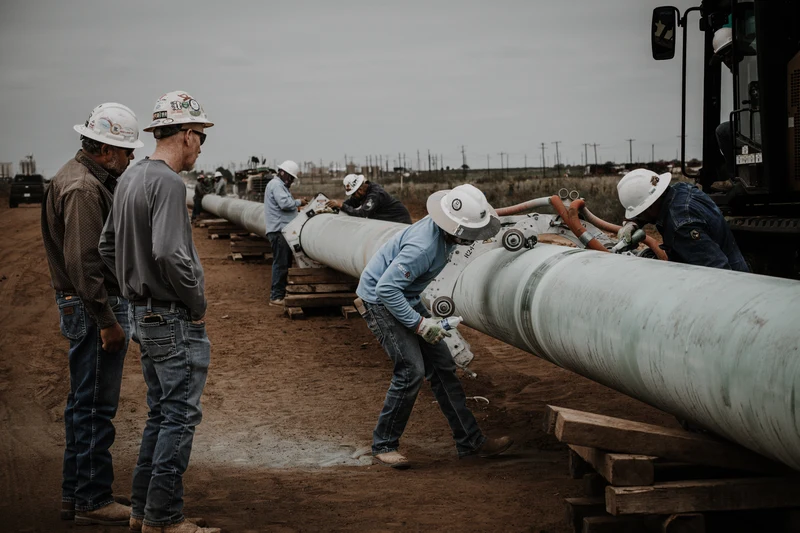
Automated Threat Evaluations
While typical threat analyses frequently count on manual analyses, the assimilation of computerized threat assessment innovations is changing security protocols in Pipeline Construction. These advanced systems take advantage of information analytics, artificial intelligence, and artificial intelligence to recognize potential hazards much more precisely and successfully. By continually monitoring environmental conditions, devices condition, and employee actions, automated analyses provide real-time insights that improve decision-making. This positive technique minimizes the possibility of mishaps and enhances compliance with safety policies. Additionally, automated risk assessments can be updated quickly, making certain that all stakeholders have accessibility to the most recent details. As an outcome, Pipeline Construction jobs gain from a much safer work environment, minimizing disruptions and cultivating a society of security through technology integration.Lasting Practices in Pipeline Construction
As the demand for power facilities rises, the Pipeline Construction sector significantly prioritizes sustainable techniques that reduce environmental impact. Firms are embracing environment-friendly materials and innovative Construction strategies to decrease their carbon impact. As an copyrightple, using trenchless innovation permits Pipeline installation with marginal interruption to the surrounding setting, protecting natural habitats and minimizing dirt disintegration.
In addition, the execution of sustainable power resources, such as solar or wind, to power Construction tasks is gaining traction. This change not just decreases reliance on nonrenewable fuel sources but also improves the total sustainability of Pipeline projects. Additionally, reliable waste management methods, consisting of reusing and reusing materials, are ending up being criterion in the sector.
Real-Time Monitoring and Anticipating Upkeep Solutions
The shift towards lasting techniques in Pipeline Construction has led the way for the assimilation of real-time surveillance and anticipating upkeep remedies. These technologies leverage advanced sensors and data analytics to continuously assess Pipeline integrity and operational performance. By accumulating information in genuine time, operators can find anomalies such as leaks or pressure declines prior to they intensify into serious issues. This aggressive technique not only minimizes ecological threats however likewise decreases downtime and maintenance costs.Anticipating upkeep utilizes formulas to forecast prospective failures based upon historic data and present efficiency metrics. This makes it possible for timely interventions, optimizing upkeep routines and source allotment. Generally, real-time tracking and predictive upkeep services stand for a considerable innovation in Pipeline Construction, improving safety and security and reliability while supporting sustainability goals. As industries remain to welcome these technologies, the operational landscape of Pipeline monitoring is readied to advance substantially, guaranteeing long-term feasibility and efficiency.
The Duty of Drones in Checking and copyrightination
Drones have become transformative devices in the surveying and copyrightination of pipelines, using boosted effectiveness and precision. Their ability to catch high-resolution photos and videos from various angles enables for extensive analyses of Pipeline stability without taking the chance of human safety. Furnished with innovative sensors and thermal imaging capacities, drones can spot leakages, corrosion, and structural abnormalities that may not be visible to the nude eye.In addition, the release of drones considerably lowers inspection time, allowing quicker decision-making for upkeep and fixings. This performance translates to cost financial savings and marginal disruption to surrounding settings. Drones can also access hard-to-reach locations, such as rugged terrains or raised frameworks, better broadening the range of inspections.
As the Pipeline market proceeds to embrace technical innovations, the combination of drones into evaluating and assessment processes is web anticipated to grow, establishing new criteria for functional excellence and safety in Pipeline Construction solutions.
Frequently Asked Questions
What Are the Expenses Connected With Modern Pipeline Construction Innovations?
The expenses related to contemporary Pipeline Construction technologies often consist of sophisticated products, specialized labor, and sophisticated innovation. These aspects add to greater preliminary see investment, but can cause long-lasting savings through boosted effectiveness and minimized upkeep requirements.Exactly How Do Regulatory Adjustments Effect Pipeline Construction Technologies?
Regulatory adjustments significantly influence Pipeline Construction innovations by necessitating the fostering of much safer, extra effective methods. Conformity requirements often drive technology, causing developments in products, design, and Construction strategies that improve total job sustainability and safety.What Abilities Are Required for Careers in Advanced Pipeline Construction?

Careers in innovative Pipeline Construction require experience in engineering concepts, task management, safety and security protocols, and ecological regulations. Furthermore, abilities in technology integration, team effort, and problem-solving are vital for going across the complexities of contemporary facilities jobs.
Just How Can Companies Guarantee Conformity With Environmental Requirements?
To ensure conformity with ecological criteria, firms should implement rigorous training programs, conduct regular audits, and adopt finest methods in sustainability. Engaging with stakeholders and keeping an eye on governing adjustments further strengthens their dedication to ecological stewardship.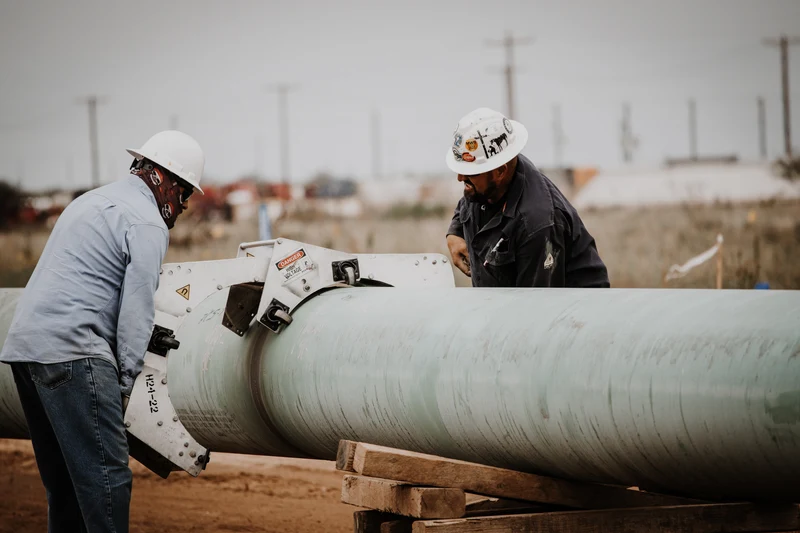
What Are the Key Challenges Dealing With Pipeline Construction Today?
The key obstacles facing Pipeline Construction today include governing conformity, ecological problems, changing product costs, labor lacks, and the demand for advanced modern technology integration (Pipeline Construction Services). These aspects make complex project timelines and overall effectiveness in the sectorAs the demand for much more reliable and sustainable Pipeline systems raises, the integration of smart materials has actually arised as a transformative solution in Pipeline Construction. AI-driven project administration devices are reshaping workflows in Pipeline Construction by improving decision-making procedures via improved access to real-time data analytics. While job administration in Pipeline Construction has actually traditionally relied on manual processes, the combination of sophisticated devices greatly enhances decision-making capabilities. Utilizing real-time data analytics, contemporary task monitoring devices change workflow in Pipeline Construction. Careers in advanced Pipeline Construction need proficiency in engineering principles, job monitoring, safety and security protocols, and environmental policies.
Report this wiki page